Tree pruning in Brixton
If you are looking for tree pruning in Brixton, you are likely dealing with a tree that has become too dense, is blocking light, is growing close to a building, or simply needs professional attention to stay healthy and safe. In an area like Brixton, where gardens can be compact, streets are busy, and many homes sit close to neighbouring properties, the way a tree is pruned really matters. Good pruning is not just about making a tree look neat. It is about supporting long-term health, reducing risk, improving access to light and space, and keeping your property in good order.
Local homeowners, landlords, housing associations, businesses, and managing agents often need pruning for very practical reasons. A front garden tree may be spreading over a pavement, a back garden tree may be shading out the house, or a commercial frontage may need careful crown reduction to keep signage and access clear. Whatever the reason, a skilled local team can help assess the tree, decide on the right approach, and carry out the work in a way that suits both the tree and the site.
Because Brixton includes a mix of terraces, flats, converted properties, small courtyards, and commercial premises, tree work here often requires a flexible, tidy, and considerate approach. That is why customers value a service that understands local access issues, shared boundaries, parking limitations, and the need to work carefully around gardens, outbuildings, and neighbouring trees. Book your service now if your tree needs attention and you want practical advice before the work begins.
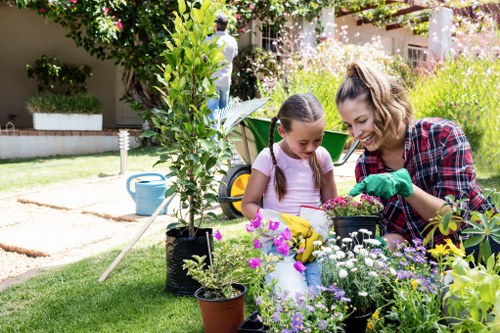
Why tree pruning matters for Brixton properties
Tree pruning is one of the most important parts of tree care because it helps shape growth, remove problems, and keep trees in better condition over time. In Brixton, where many properties have limited outdoor space, pruning can make a noticeable difference to how a garden feels and functions. A well-pruned tree can let in more daylight, reduce overhang, and help prevent branches from becoming a nuisance to neighbours or passers-by.
There are also safety considerations. Branches that are dead, damaged, rubbing, or growing too close to roofs and overhead lines may need attention before they become a bigger issue. Trees near paths, driveways, garages, or communal areas can also benefit from professional pruning to reduce the chance of falling material and improve clearances. Tree pruning in Brixton is often about preventing small issues from becoming expensive problems later on.
Healthy pruning can also support the tree itself. When carried out properly, the work encourages strong structure, balanced growth, and improved airflow through the canopy. That can matter for trees in tighter urban settings, where competition for light and space is high and the effects of poor pruning can last a long time.

Common reasons people request pruning
Customers usually contact a local tree team for pruning because they want a specific result. Sometimes the tree is simply too large for the garden. Sometimes branches are encroaching over a neighbour’s side or hanging into a public space. In other cases, the tree may be healthy but badly shaped, or it may need regular maintenance to stay manageable.
Typical reasons include:
- Reducing overhanging branches near roofs, windows, or fences
- Improving light in gardens, kitchens, loft rooms, or lower floors
- Removing dead, diseased, or broken limbs
- Creating more clearance over driveways, walkways, and access points
- Managing a tree that has become too dense or unbalanced
- Keeping a commercial frontage tidy and accessible
- Helping a young tree develop the right shape and structure
Not every tree needs the same treatment. Some may need selective crown thinning; others may benefit from crown lifting, formative pruning, or a measured reduction in spread. A sensible approach starts with a proper inspection and a clear explanation of what the work is meant to achieve.

Our pruning services for Brixton homes and businesses
We provide tree pruning for a wide range of property types in Brixton, from small residential gardens to shared courtyards, commercial units, and managed estates. Every site is different, so the service is planned around the tree species, its condition, its position, and what the customer needs from the work. Contact us today if you would like a tree assessed for pruning.
Our service can include:
- Crown thinning – selective removal of inner branches to reduce density while keeping the natural shape.
- Crown lifting – removing lower branches to improve access, light, and visibility.
- Crown reduction – carefully reducing overall size where appropriate, without damaging the tree’s form.
- Deadwood removal – taking out dead or unsafe branches that could drop unexpectedly.
- Formative pruning – shaping young trees early to encourage stable, healthy growth.
- Boundary pruning – managing branches that cross over fences, walls, or shared boundaries.
We aim to keep the tree looking natural and balanced rather than overcut or harshly altered. Good pruning should be subtle and purposeful, especially in a place like Brixton where visible street trees and garden trees contribute a lot to the character of the area.

What makes Brixton tree work different?
Working in Brixton often means dealing with tighter access than you might find in suburban locations. Many gardens are reached through side passages, narrow alleyways, shared entrances, or limited front access. Some properties have no driveway at all, and parking can be restricted. All of that affects how pruning is carried out and how waste is removed after the work.
Local knowledge helps. A team that regularly works in and around Brixton is more likely to understand how to plan around terraced streets, one-way roads, loading restrictions, and close neighbours. That can save time and reduce disruption. It also helps when a job involves a tree near a boundary, a communal garden, a shopfront, or a school or care setting where extra care is needed.
Brixton also has a varied mix of tree species and planting styles. You may find mature ornamental trees in front gardens, fruit trees in compact courtyards, and larger specimens in shared grounds or near older properties. Each type of tree responds differently to pruning, and the timing, method, and extent of work should suit the species and the season. Careful, informed pruning always produces better results than rushed cutting.
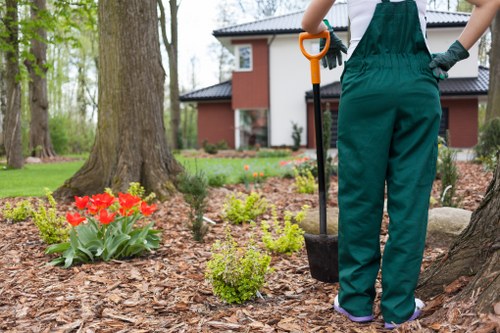
How the service works
People often want a straightforward process, especially when they are comparing local tree services and trying to arrange work around family life, tenants, or business hours. A clear pruning service should be simple from the first enquiry to the final tidy-up. If you are considering tree pruning in Brixton, it helps to know what to expect.
Here is a typical process:
- Initial enquiry – you explain the tree, the location, and the issue you want addressed.
- Site assessment – the tree is inspected so the right pruning method can be recommended.
- Quotation – you receive a clear quote based on the work needed and the practicalities of the site.
- Scheduling – a suitable date is arranged, taking into account access and any site-specific requirements.
- Pruning work – the tree is pruned carefully and responsibly using appropriate techniques.
- Tidy-up – branches and debris are cleared away so the area is left as neat as possible.
For many customers, the main benefit is reassurance. You know the tree is being dealt with properly, and you do not have to guess what should be cut or how much should be removed. If there are concerns about species, timing, or whether the tree may need a lighter touch, those questions can be discussed before anything is started.
Pruning methods explained in plain English
Not everyone needs the technical language, but it is useful to understand the difference between common pruning approaches. That helps you speak more confidently about what you need and gives you a better idea of whether the result will suit your property. Tree pruning in Brixton is usually about choosing the least invasive option that still achieves the goal.
Crown thinning
Crown thinning removes selected branches from within the canopy to reduce density without changing the outer shape too much. It is often used when a tree is healthy but too heavy, too shaded, or too crowded. Thinning can improve light penetration and airflow, which may be especially helpful in compact gardens where every bit of daylight matters.
Crown lifting
Crown lifting removes lower branches to create more space beneath the canopy. This can help with pedestrian access, visibility, and general usability. It is a common choice for front gardens, driveways, paths, and commercial areas where people need to walk or park safely underneath or beside the tree.
Crown reduction
Crown reduction is used when a tree has grown too large for its position. It is not simply a case of shortening everything at random. The aim is to reduce height or spread in a controlled way that respects the tree’s form. This method needs skill and judgement, particularly near buildings or where a tree has a strong visual presence on the street.
Deadwood removal and safety pruning
Deadwood removal is a practical part of maintenance, especially for mature trees. Dead branches can fall unexpectedly, so removing them helps improve safety around gardens, parking spaces, play areas, and access routes. Safety pruning may also include taking out branches that are cracked, rubbing, or weakened by previous damage.
Formative pruning for younger trees
Younger trees often benefit from formative pruning before poor structure becomes established. Early shaping can help create a strong framework, reduce future conflicts with buildings or paths, and promote healthy growth. This is a smart approach for newly planted trees and for trees that have been left too long without attention.
Good pruning is selective. The right cuts are made for a reason, and the overall result should support the tree rather than stress it. That is why the experience of the person doing the work is so important.
What is included in a professional pruning visit?
When customers ask about what is included, they usually want to know whether the service covers more than just the cutting itself. A proper pruning visit should be planned and carried out in a tidy, considerate way. The exact details vary from site to site, but a good service usually includes the following:
- Assessment of the tree and its condition
- Advice on the most appropriate pruning method
- Work carried out with attention to safety and tree health
- Management of branches and cuttings
- Cleanup of the work area where practical
- Clear communication about any additional issues noticed during the job
In some cases, the work may also involve checking how the tree relates to fencing, sheds, greenhouse structures, paving, or nearby plants. If the tree is part of a row or near a shared boundary, pruning may need a particularly careful approach so the finished result looks balanced from all sides.
Signs your tree may need pruning soon
Some trees make their needs obvious. Others develop issues slowly, and it is easy to get used to the way they look until a problem becomes more noticeable. If you are unsure whether your tree needs attention, a few signs can help you decide whether to arrange an inspection.
- Branches are touching the house, roof, or windows
- The canopy is blocking too much daylight
- Dead, broken, or hanging branches are visible
- The tree is leaning into a neighbour’s property
- Low branches are making access awkward
- Leaves and debris are causing repeated maintenance issues
- The tree looks crowded, lopsided, or out of balance
Not every visible issue means urgent work is required, but it is sensible to get professional advice sooner rather than later. A well-timed pruning job can be less disruptive and more effective than waiting until the tree has become difficult to manage.
Preparation checklist for customers
A little preparation can make the visit smoother, especially in Brixton where access and parking can take a bit of planning. If you are booking a pruning job, here are a few practical steps to consider beforehand.
- Make sure the tree and surrounding area are accessible.
- Move cars, bikes, bins, garden furniture, or fragile items if possible.
- Let neighbours know if branches may overhang shared boundaries.
- Unlock gates or side access routes if the team will need them.
- Tell the team about any hidden hazards, loose paving, or awkward access points.
- Point out any garden features or plants you want protected during the work.
It is also useful to think about your main priority before the job starts. Do you want more light? Better clearance? A tidier shape? Less risk around the roofline? Sharing that goal early helps the pruning plan match your expectations.
Pricing factors for tree pruning
Customers often want to understand what affects pricing before asking for a quote. While no two jobs are the same, several common factors usually influence the final figure. These factors are practical rather than arbitrary, and they reflect the time, equipment, and planning required.
- Tree size and species
- How dense or overgrown the canopy is
- Access to the tree and space around it
- Whether branches must be managed over roofs or boundaries
- The amount of waste created
- Parking and loading considerations in the local area
- Whether the work is straightforward maintenance or more involved corrective pruning
In Brixton, access can be a major factor because narrow streets and limited parking can affect setup and waste removal. Trees in back gardens, enclosed courtyards, or shared areas can also take longer to reach and work around. A local company is often better placed to factor these realities into a realistic quote.
Why choose a local Brixton team?
Choosing a local service is not just about convenience. It can make a genuine difference to how smoothly the job runs. A team familiar with the area is more likely to understand the everyday challenges of working around busy roads, mixed residential layouts, and close neighbours. They also tend to be better prepared for the practical details that matter on the day.
For example, local knowledge helps when:
- Planning around restricted parking or loading space
- Working in terraced streets or tightly packed gardens
- Coordinating access through side entrances or shared paths
- Managing waste removal in a way that keeps disruption down
- Adapting to different property types, from period homes to modern flats
Local customers also value a service that is easy to communicate with and responsive to the realities of the area. When a company regularly works in Brixton and nearby parts of South London, it is more likely to give practical, honest advice based on local conditions rather than generic assumptions.
Areas covered around Brixton
Tree pruning requests often come from a wider patch than one street or postcode. Customers nearby may need similar services for gardens, business premises, or communal land. If you are in or around Brixton, it is worth asking about service availability in the surrounding neighbourhoods too.
- Loughborough Junction
- Herne Hill
- Clapham
- Stockwell
- Camberwell
- Denmark Hill
- Streatham
- Kennington
- Peckham
That wider coverage can be useful if your tree sits near a boundary line, shared access route, or mixed-use block where more than one property may be affected by the work. Request a free quote if you would like to check whether your property is within the service area.
Residential customers: what matters most
Homeowners usually want a tidy, respectful service that improves the garden without creating unnecessary hassle. In Brixton, that often means balancing privacy, light, and neighbourly relations. A tree that has become too wide or too tall can make a small garden feel enclosed, while branches too close to the house can lead to maintenance headaches. Professional pruning can help restore a sense of space and order.
Many residential customers also want advice on timing. Some trees are better pruned at certain times of year, depending on species and condition. If a tree is flowering, fruiting, or recently planted, the approach may need to be adjusted. A sensible contractor will explain these things clearly and avoid recommending unnecessary work.
Commercial and managed-property pruning
Businesses and property managers often need pruning for different reasons from domestic customers. The priority may be keeping entrances clear, protecting visibility, maintaining a professional appearance, or reducing the risk of branches interfering with customers, staff, or service access. For schools, care settings, managed estates, or retail premises, tidy and predictable work is especially important.
Commercial pruning in Brixton may also need to fit around operating hours or tenant schedules. That requires coordination, clear communication, and a neat finish. Trees near bins, loading bays, car parks, entrances, or outdoor seating areas need careful handling so the site can return to normal promptly.
How to choose the right pruning approach
Choosing the correct method depends on the tree, the result you want, and what the tree can reasonably tolerate. A heavy-handed cut may solve a short-term issue but create poor regrowth or stress the tree later. On the other hand, doing too little may leave the original problem unchanged. The right approach usually sits somewhere in the middle.
Ask yourself:
- Is the tree healthy, or does it already have weaknesses?
- Is the issue about size, shape, safety, or light?
- Are branches affecting one side only or the whole canopy?
- Do you need a one-off correction or regular maintenance?
- Are there constraints from a neighbour, roofline, or public space?
If you are unsure, that is normal. Most customers are not expected to know the technical details. The point of a local pruning service is to give clear, practical advice so you can make the right decision with confidence.
Frequently asked questions
How often should trees be pruned?
It depends on the tree species, age, location, and condition. Some trees need light, regular attention, while others only need occasional work. Trees in confined urban spaces often benefit from more routine inspection than trees growing in open ground.
Will pruning damage my tree?
When carried out properly, pruning should support the tree rather than harm it. The risk comes from poor technique, overcutting, or removing too much at once. That is why it is important to use a team that understands tree structure and selects the right method for the job.
Can you prune trees near houses or fences?
Yes, although the work must be planned carefully. Trees close to buildings, walls, and boundaries are very common in Brixton, so this is a routine part of local tree work. The approach will depend on access, tree size, and the exact relationship between the tree and the property.
Do I need to be home during the visit?
That depends on the arrangement and access needs. Some customers prefer to be present at the start so they can show the tree and discuss the work. Others arrange access in advance and return later. The important thing is that everyone is clear about the plan.
What happens to the branches and waste?
Waste handling is usually part of the job, though the exact process should be confirmed in advance. The aim is to leave the site neat and manageable once the pruning is complete.
Practical benefits of professional pruning
There are several reasons customers choose a professional service instead of trying to do the work themselves. Some jobs are simply too high, too awkward, or too risky to handle without proper equipment and experience. Others involve making decisions about branch selection, tree form, and future growth that are hard to judge without training.
Professional pruning can give you:
- A healthier and better-shaped tree
- More daylight and usable space
- Less risk from dead or damaged branches
- Better access around the property
- A cleaner, more presentable outdoor area
- Confidence that the work has been done sensibly
For many Brixton customers, the value is in having the job done properly the first time. That means fewer future surprises, less stress with neighbours, and a better result for the tree itself.
Ready to arrange tree pruning in Brixton?
If your tree is overgrown, awkwardly placed, or in need of seasonal maintenance, now is a good time to take action. A local pruning service can assess the situation, explain the best options, and carry out the work with care and consideration for your property. Whether you need help at a family home, a rented property, a shopfront, or a managed site, professional support can make the process much easier.
Contact us today to discuss your tree, ask for a quote, or arrange a suitable time for an assessment. If you want a well-finished, practical service from a local team that understands the realities of working in Brixton, we are ready to help. Book your service now and take the first step toward a safer, tidier, and better-balanced tree.